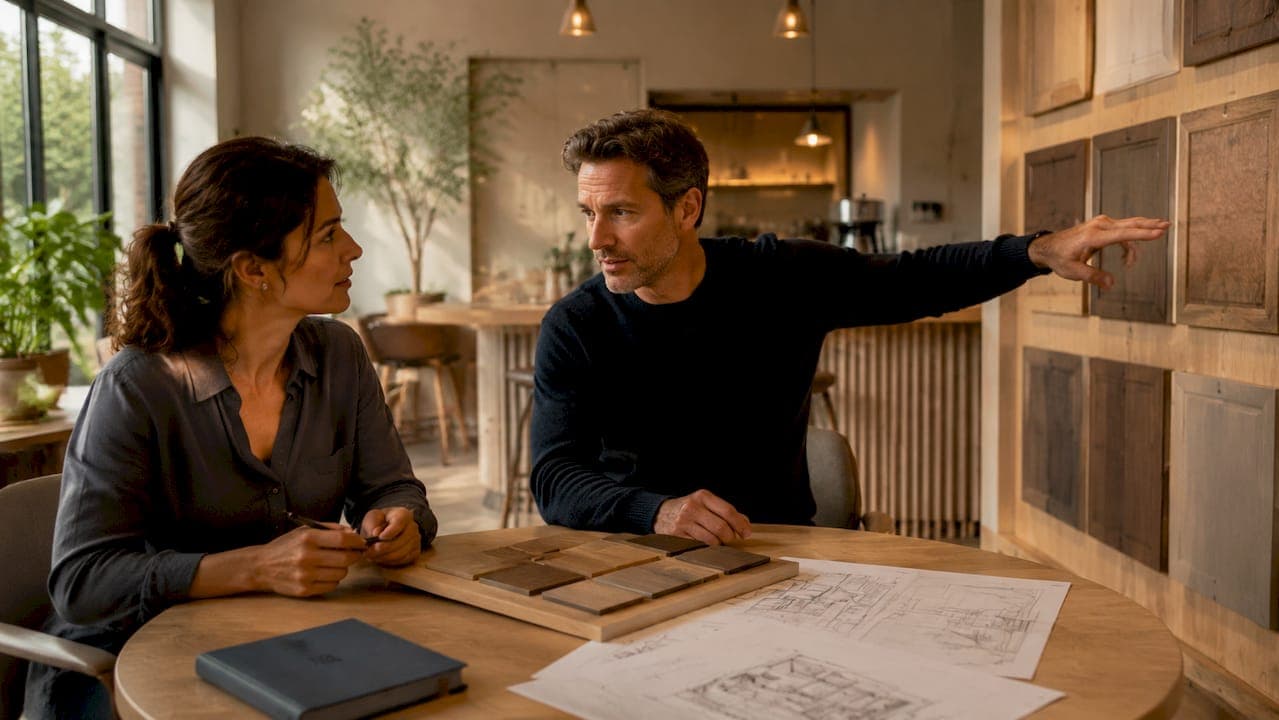
Bespoke fitted furniture is defined as custom-built cabinetry and storage designed to exact room dimensions, using materials and configurations chosen specifically for the homeowner. Unlike off-the-shelf alternatives, it treats your space as the starting point rather than an afterthought. The case for why bespoke fitted furniture is a long-term investment rests on three pillars: superior materials that last decades, a precise fit that eliminates wasted space, and a total cost over time that undercuts the buy-and-replace cycle of cheaper options. Bravo London has delivered over 1,000 completed projects across London, each backed by a 10-year warranty, which reflects exactly the kind of confidence that comes from building furniture to last.
Why bespoke fitted furniture is a long-term investment: materials and craftsmanship
The material you choose determines how long your furniture survives. Bespoke joinery uses solid timber frames and traditional joinery techniques, delivering structural integrity that MDF and particleboard simply cannot match. That difference becomes visible within five years of daily use, when drawer bases sag, carcasses bow, and laminate edges peel on cheaper pieces.
Solid hardwoods such as oak, walnut, and ash respond well to refinishing. Bespoke furniture can be sanded and repaired effectively when built from quality timber or stone, extending its usable life far beyond what any mass-produced piece can offer. A scratched oak wardrobe door can be lightly sanded and re-oiled in an afternoon. A scratched MDF door goes in the skip.
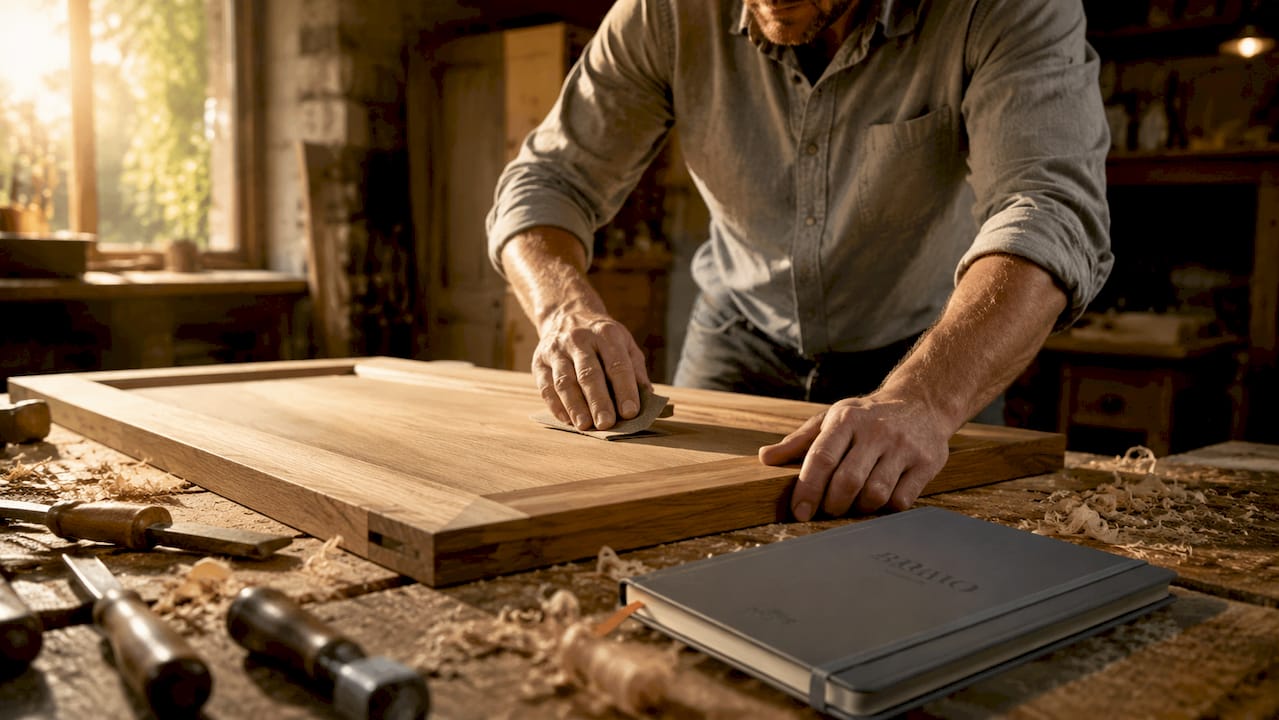
Natural materials also hold their value. Expensive pieces built from MDF do not hold value any better than cheap options. Material integrity is the deciding factor, not price tag alone. This is why Petra Madalena and other design specialists consistently steer clients towards hardwoods and natural stone for pieces intended to last.
Pro Tip: When commissioning bespoke furniture, ask your maker to specify the carcass material in writing. Solid timber or quality plywood carcasses outperform MDF in humid environments like bedrooms and bathrooms, where moisture causes cheaper boards to swell and fail.
| Material | Lifespan | Repairability | Value retention |
|---|---|---|---|
| Solid hardwood (oak, walnut) | 25+ years | High: sanding, oiling, refinishing | Strong |
| Quality plywood carcass | 20+ years | Moderate: structural repairs possible | Good |
| MDF with veneer | 8–12 years | Low: surface damage is usually permanent | Poor |
| Particleboard (flat-pack) | 5–8 years | Very low: swells, chips, and fails | Negligible |
Does a custom fit really add long-term value?
A bespoke piece does not just fill a space. It works with the room's architecture, including sloped ceilings, chimney breasts, alcoves, and irregular walls. Bespoke furniture integrates with a room's irregularities for a functional design that maximises every centimetre. That precision is something no catalogue range can replicate.
The practical gains go well beyond aesthetics. Consider what a fitted bedroom solution achieves in a room with a low ceiling on one side: a standard wardrobe leaves a gap at the top and wastes floor space beside it. A bespoke piece uses the full height and width, often doubling usable storage without adding a single square metre to the room's footprint.
The benefits of a precise, tailored fit include:
- Floor-to-ceiling storage that eliminates dust-collecting gaps above wardrobes
- Internal configurations designed around your actual belongings, from shoe racks to pull-out trouser rails
- Soft-close drawers and doors specified to the weight and frequency of use
- Integrated lighting that makes the furniture functional at any hour
- Finishes matched to existing architecture, so the piece feels built-in rather than placed
This level of personalisation also protects your daily routine. You stop working around your furniture and start working with it. For homeowners who spend significant time at home, that shift in daily experience has real, lasting value.
Fitted bedrooms also contribute to a calmer, more organised environment. Clutter reduces when storage is genuinely adequate and logically arranged. That is a quality-of-life benefit that compounds quietly over years.
Is bespoke furniture worth it financially over time?
The honest financial case for bespoke furniture is built on lifecycle cost, not upfront price. Flat-pack furniture may appear cost-effective short term but can exceed the cost of bespoke over decades due to repeated replacement. A homeowner who replaces a flat-pack wardrobe every seven years spends more over twenty years than one who commissions a single bespoke piece at the outset.
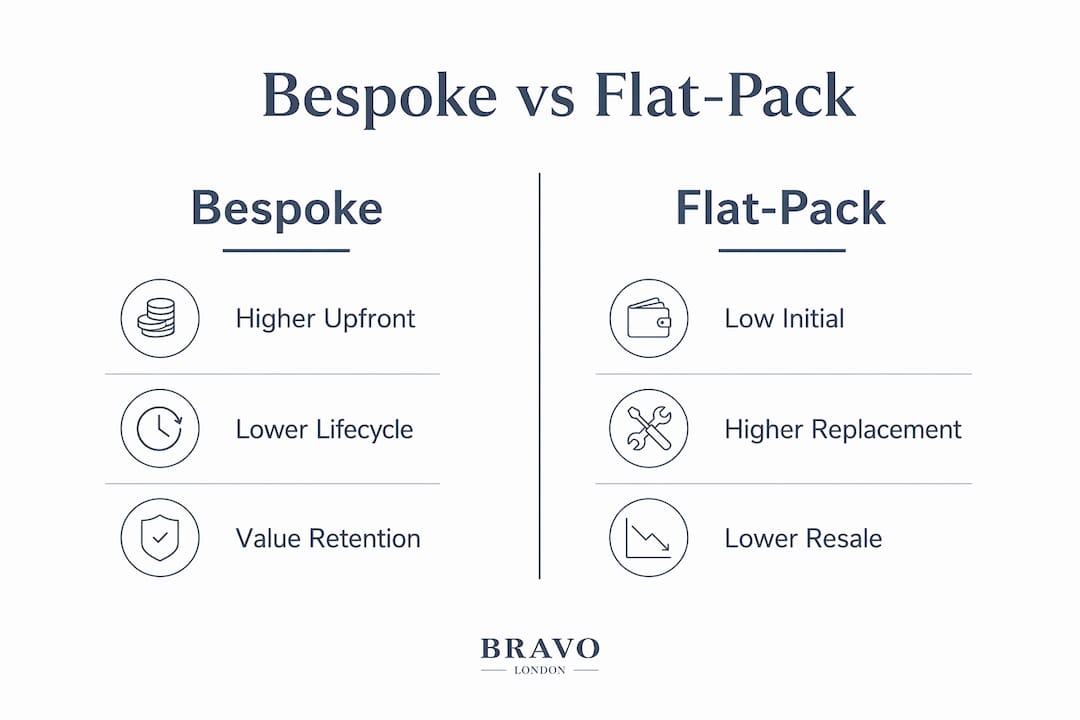
For homeowners planning to stay in their property for 10 or more years, bespoke furniture offers superior investment value compared to cheaper replacement cycles. The maths becomes even clearer when you factor in the disruption of repeated purchases: delivery costs, disposal fees, and the time spent reassembling furniture every few years.
Property value is a further financial consideration. Well-specified bespoke joinery adds measurable value to London properties, often influencing buyer offers favourably, particularly in prime postcodes. Estate agents consistently cite bespoke joinery as a valued feature. A fitted study or a floor-to-ceiling bedroom wardrobe is not just furniture to a prospective buyer. It is a selling point.
Pro Tip: When budgeting for bespoke furniture, calculate the cost per year of expected use rather than the upfront figure. A £4,000 wardrobe used for 25 years costs £160 per year. A £600 flat-pack wardrobe replaced every six years costs £100 per year but delivers a fraction of the quality, storage, and finish.
| Cost factor | Flat-pack (repeated) | Bespoke (single purchase) |
|---|---|---|
| Upfront cost | Low | Higher |
| Replacement frequency | Every 5–8 years | Rarely, if ever |
| Repair cost | Usually not repairable | Refinishable and repairable |
| Property value impact | Negligible | Positive, especially in London |
| Ecological footprint | High (landfill contribution) | Low (durable, repairable) |
Flat-pack furniture also carries a higher ecological footprint due to repeated disposal and landfill contribution. Solid wood bespoke furniture has a far lower long-term environmental impact because it is built to be repaired, not replaced.
Bespoke vs. ready-made fitted furniture: which suits your situation?
Not every homeowner needs bespoke, and being clear about that distinction builds trust. Ready-made fitted furniture from retailers such as IKEA PAX or Hammonds works well in specific situations. Bespoke is the stronger choice in others.
When bespoke fitted furniture makes sense
- You plan to live in the property for 10 or more years
- The room has awkward dimensions, sloped ceilings, or alcoves that standard sizes cannot address
- You want a specific finish, internal configuration, or material that catalogue ranges do not offer
- You are investing in a property where fitted joinery will support resale value
- You want furniture that can be repaired and maintained rather than replaced
When ready-made fitted options may be sufficient
- You are renting and cannot make permanent structural changes
- You need a short-term solution while planning a renovation
- The room is a standard size with no architectural complications
- Budget constraints make bespoke genuinely unworkable right now
The key difference is not just aesthetics. Handmade solid wood furniture offers durability and value retention that flat-pack alternatives cannot match. Ready-made fitted ranges sit between the two: better than flat-pack in finish, but still limited by catalogue dimensions and standard materials. For a homeowner with a long-term view, the gap in quality and longevity between ready-made and bespoke is significant.
Custom solutions for functional spaces also address something ready-made ranges never can: the specific way you live. A bespoke wardrobe designed around your actual wardrobe, your morning routine, and your room's natural light is a fundamentally different object from one built to fit a catalogue grid.
Key takeaways
Bespoke fitted furniture built from quality natural materials delivers lower lifecycle costs, better space utilisation, and measurable property value gains compared to flat-pack or ready-made alternatives.
| Point | Details |
|---|---|
| Material quality determines lifespan | Solid hardwoods and quality plywood outlast MDF by 15 or more years and can be refinished. |
| Precise fit maximises every room | Bespoke pieces work with sloped ceilings, alcoves, and irregular walls that standard sizes cannot address. |
| Lifecycle cost favours bespoke | Repeated flat-pack replacement often exceeds the one-off cost of a bespoke piece over a decade. |
| Property value increases | Estate agents cite bespoke joinery as a valued feature, particularly in London's prime postcodes. |
| Ecological impact is lower | Durable, repairable furniture contributes far less to landfill than disposable flat-pack alternatives. |
What 1,000+ projects taught us about lasting furniture
After working on over a thousand fitted furniture projects across London, the pattern is consistent. The homeowners who feel most satisfied five or ten years later are the ones who chose materials honestly and planned their internal configurations carefully before the first panel was cut. The ones who feel frustrated are almost always those who prioritised upfront cost above everything else.
The misconception I encounter most often is that bespoke means expensive for its own sake. It does not. The true value lies in material integrity. A well-specified piece in oak or walnut, built with traditional joinery, will outlast three or four cheaper alternatives and still look considered and intentional in a room that has changed around it.
There is also an emotional dimension that rarely gets discussed. Bespoke furniture pieces often become part of the home's identity over decades, kept and sometimes gifted between generations. That is not sentimentality. It is a practical observation about what happens when something is built well enough to be worth keeping.
My advice to anyone weighing the decision: be patient with lead times. A bespoke piece takes longer to arrive than a flat-pack box. That wait is the time your maker spends getting the dimensions, materials, and configuration right. It is not a delay. It is the investment itself, taking shape.
— Bravo
Fitted furniture built to last, from Bravo London
If you have spent time living around furniture that does not quite fit, Bravo London offers a different experience.
Bravo London designs and builds bespoke fitted wardrobes and cabinetry across London, working with homeowners to create storage that fits the room precisely and lasts for decades. Every project is tailored to your dimensions, your materials, and your daily routine. With a 10-year warranty and a track record of over 1,000 completed projects, Bravo London brings the same meticulous approach to every commission, from a single fitted wardrobe to a full bespoke furniture scheme. Book a free consultation and see what a properly fitted space feels like.
FAQ
What makes bespoke furniture last longer than flat-pack?
Bespoke furniture uses solid timber frames and traditional joinery techniques, while flat-pack relies on MDF and particleboard that swells, chips, and fails within a few years of regular use.
Is bespoke fitted furniture worth the higher upfront cost?
For homeowners staying in a property for 10 or more years, bespoke furniture typically costs less over time than repeated flat-pack replacements, and it adds measurable value to the property.
Can bespoke furniture be repaired if it gets damaged?
Bespoke pieces built from solid hardwood or natural stone can be sanded, refinished, or repaired, extending their usable life significantly. Mass-produced furniture is usually discarded after surface damage.
Does bespoke joinery increase property value?
Estate agents consistently cite bespoke joinery as a valued feature, particularly in London, where well-specified fitted furniture can influence buyer offers favourably.
Is bespoke furniture a good choice for renters?
Renters who cannot make permanent changes are generally better served by ready-made options. Bespoke fitted furniture delivers its full investment value to homeowners with long-term plans for their property.