TL;DR:
- A bespoke bookcase is tailored specifically to your space, materials, and style preferences. Its design resolves scale, materials, and function together, creating functional and elegant solutions.
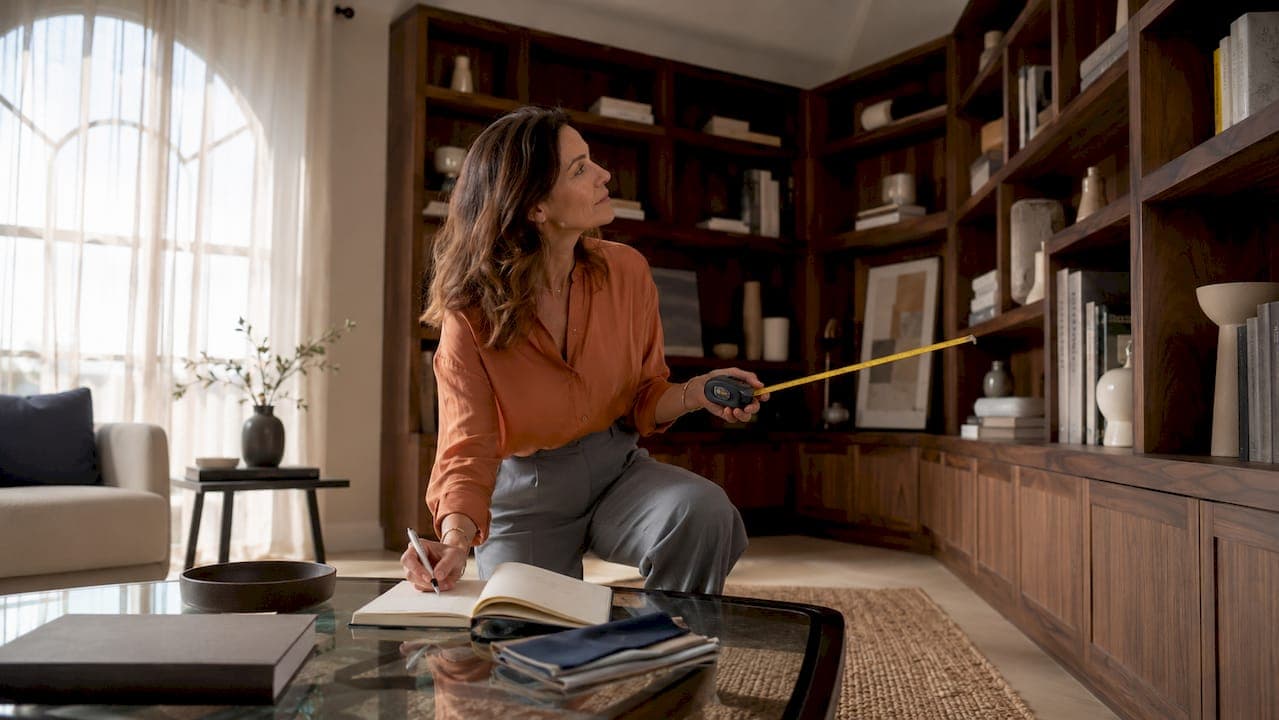
A bespoke bookcase is a custom-crafted shelving unit built to your exact dimensions, materials, and style preferences. Unlike off-the-shelf alternatives, fitted bookcases are designed around your room rather than the other way around. The best bespoke bookcase design examples use materials such as solid oak, walnut, tempered glass, and structural steel to balance warmth, lightness, and durability. Bravo London has completed over 1,000 projects delivering exactly this kind of tailored shelving solution, from floor-to-ceiling library walls to compact alcove units that turn wasted corners into genuine focal points.
What are standout bespoke bookcase design examples?
The most striking custom bookcase ideas share one quality: they feel like they grew from the room itself. Scale, material, and function are resolved together rather than as separate decisions.
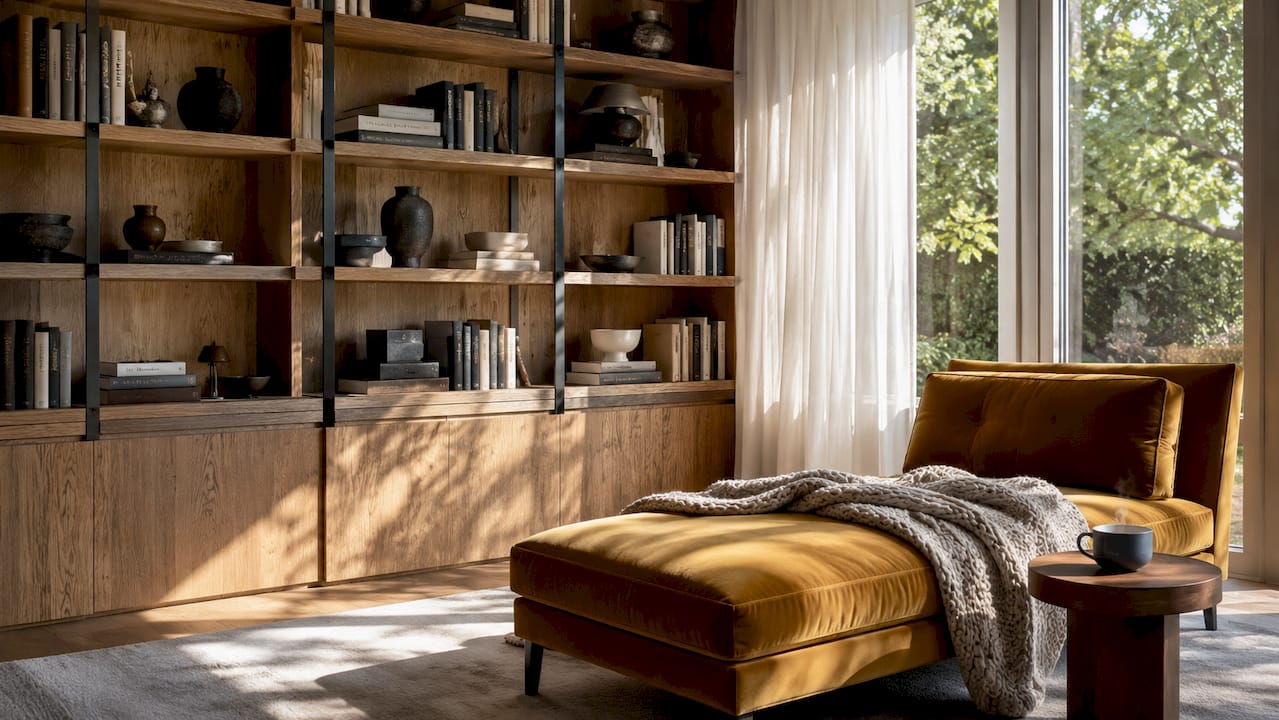
Wraparound oak library walls are the most requested format in upscale residential interiors. A 5-metre-wide oak unit wrapping around a chimney breast is a well-documented example of what fitted joinery can achieve in a traditional reception room. The unit frames the fireplace, provides deep shelving on either side, and creates a sense of architectural permanence that no freestanding bookcase can replicate.
Modular sunroom designs take a different approach. A 12-foot by 10-foot modular unit built across an entire sunroom wall demonstrates how large-scale bespoke shelving can be broken into manageable sections without losing visual continuity. Modular construction also accommodates thermal expansion, which matters in glass-heavy rooms where temperatures shift significantly.
Mixed-material units combining steel and wood are increasingly popular in contemporary interiors. Natural hardwood shelves paired with steel uprights in over 150 colours allow the bookcase to either blend quietly into the room or make a deliberate contrast statement. The steel provides structural rigidity for wide spans, while the wood keeps the piece feeling warm and residential.
Glass-fronted display bookcases suit formal living rooms and studies where dust protection matters as much as aesthetics. Tempered glass doors with slim steel frames let you see the contents clearly while keeping the overall look light and refined.
Here is a comparison of common design features across bespoke bookcase styles:
| Feature | Traditional oak | Contemporary steel and wood | Modular glass-fronted |
|---|---|---|---|
| Scale | Floor-to-ceiling | Wall-spanning | Configurable |
| Primary material | Solid hardwood | Hardwood and steel | Hardwood and tempered glass |
| Adjustable shelves | Yes | Yes | Yes |
| Integrated lighting | Optional | Common | Common |
| Best suited to | Period homes | Modern interiors | Formal rooms |
Key design features worth specifying in any bespoke brief include:
- Adjustable shelf heights to accommodate oversized books and objects
- Integrated LED strip lighting behind or beneath shelves
- A built-in desk or writing surface within the unit
- Ladder rail systems for tall floor-to-ceiling designs
- Soft-close cabinet doors for lower storage sections
Pro Tip: Request a scale drawing of your bookcase overlaid on a photograph of the room before committing to a design. Seeing the proportions in context prevents the most common mistake: units that are too shallow or too tall for the ceiling height.
How do materials and craftsmanship influence bespoke bookcase design?
Material choice defines the character of a bookcase more than any other single decision. Solid hardwoods, tempered glass, and structural steel each bring distinct qualities to a finished piece.
Solid oak is the most widely used timber in luxury bookshelf designs because it is dense, stable, and takes finishes beautifully. Walnut offers a darker, richer grain that suits contemporary and mid-century interiors. Cedar is less common in bookcases but appears in specialist library rooms where its natural properties are valued. Each species ages differently, so the choice affects how the piece looks in ten years, not just on installation day.
Steel adds structural performance that wood alone cannot match across wide spans. Combining solid wood with structural steel creates a bookcase that is both warm and architecturally rigorous. Tempered glass, used for doors or shelf surfaces, introduces lightness and a sense of depth without sacrificing strength.
Craftsmanship details separate a good bookcase from a great one. A hidden flange system connecting modular units allows large installations to be assembled cleanly on site, then separated or extended later without visible fixings. Dovetail joints, hand-applied finishes, and precisely fitted backs all contribute to a piece that holds its quality over decades.
Pros and cons of common bespoke bookcase materials:
- Solid oak: Long-lasting and visually warm. Heavier and more expensive than engineered alternatives.
- Walnut: Rich, distinctive grain. Can darken significantly over time in direct sunlight.
- Tempered glass: Light and elegant. Requires regular cleaning and adds cost to the unit.
- Structural steel: Strong across wide spans and available in many colours. Cold in feel if used without timber to balance it.
- Veneered MDF: Cost-effective and stable. Less prestigious than solid wood and harder to repair if damaged.
Pro Tip: Ask your maker to show you a sample of the finish in both natural and artificial light. Veneered finishes in particular can read very differently under LED lighting compared to daylight.
What types of bespoke bookcases suit different home spaces?
The right bookcase format depends entirely on the room it occupies. A design that works beautifully in a double-height library will overwhelm a narrow study, and vice versa.
Large open rooms such as sunrooms, open-plan living areas, and formal libraries suit floor-to-ceiling designs that use the full height of the wall. These spaces can carry the visual weight of a substantial unit without feeling crowded. A custom-made furniture approach means the unit is drawn to the exact ceiling height, eliminating the awkward gap that off-the-shelf bookcases always leave.
Alcoves and chimney breasts are the most common awkward spaces that bespoke bookcases resolve. The recess beside a fireplace is rarely a standard width, which is precisely why fitted solutions outperform anything bought from a catalogue. Converting awkward spaces into fitted shelving turns a design problem into a feature.
Small rooms and compact studies require a different approach to visual weight. Mirrored backs and glass uprights reduce the perceived bulk of a bookcase and expand the sense of depth in the room. This technique is particularly effective in rooms where the bookcase occupies an entire wall but the floor area is limited.
Here is a guide to matching bookcase formats to common home spaces:
| Space type | Recommended format | Key consideration |
|---|---|---|
| Formal library or study | Floor-to-ceiling fitted unit | Scale and ladder rail access |
| Alcove beside fireplace | Built-in alcove shelving | Exact width fitting |
| Open-plan living room | Modular wall system | Visual weight and finish |
| Small bedroom or landing | Shallow floating shelves | Depth and projection |
| Sunroom or garden room | Modular freestanding units | Thermal expansion allowance |
Additional strategies for challenging spaces include:
- Using open shelving at the top and closed cabinets below to reduce visual mass
- Painting the bookcase the same colour as the wall to make it recede
- Choosing glass-fronted lower doors to keep the base of the unit feeling light
- Fitting under-stairs storage as a compact bookcase to use otherwise wasted space
How can bespoke bookcases integrate multifunctional uses?
A bespoke bookcase is rarely just a bookcase. The best fitted designs embed multiple functions into a single, coherent piece of furniture.
Desks, display niches, and hidden storage are the most requested additions to a standard shelving brief. A pull-out writing surface integrated into the lower section of a bookcase creates a home office without requiring a separate room. A media niche with cable management built into the centre of the unit replaces a television stand entirely. These combinations make the bookcase the organisational spine of the room.
Decorative details personalise a unit beyond its function. Leather strap accents on thick oak shelves create a distinctive, tactile quality that mass-produced furniture cannot replicate. Selecting a specific wood species, a hand-applied paint colour, or a particular brass hardware finish turns a practical object into a personal statement. These choices also age well, because quality materials develop character rather than deteriorating.
Viewing a bookcase as an architectural statement rather than a piece of furniture changes how you brief the designer. The unit shapes how you move through the room, where your eye travels, and how the space feels at different times of day. A well-designed fitted bookcase with integrated lighting reads completely differently in the evening than it does in daylight, which is a quality worth planning for.
Multifunctional features to consider when designing a bespoke bookcase:
- Integrated desk or pull-out writing surface
- Media niche with built-in cable management
- Display shelves with adjustable LED lighting
- Closed lower cabinets for concealed storage
- Ladder rail system for access to upper shelves
- Curated display niches sized for specific objects or artwork
Pro Tip: Plan your cable routes before the unit is built, not after. Retrofitting cable management into a fitted bookcase is expensive and rarely looks as clean as a solution designed from the start.
Key takeaways
A bespoke bookcase delivers its full value when scale, material, and function are resolved together from the first design conversation.
| Point | Details |
|---|---|
| Scale drives the brief | Units over 10 feet wide must be modular for practical installation and future flexibility. |
| Material defines character | Solid hardwoods age well; steel adds span strength; glass adds lightness to compact rooms. |
| Awkward spaces are opportunities | Alcoves, chimney breasts, and under-stair recesses suit fitted bookcases better than any other solution. |
| Multifunctionality adds value | Integrating desks, media niches, and display lighting makes one unit do the work of several pieces. |
| Visual weight needs managing | Mirrored backs and glass uprights prevent large bookcases from overwhelming smaller rooms. |
What I have learned from designing bespoke bookcases
The single most common mistake I see is underestimating scale. Homeowners look at a wall and imagine a bookcase that fills it. Then the unit arrives and it feels too heavy, too dark, or too tall for the ceiling. The fix is always the same: work in modular sections, choose materials that suit the room's natural light, and never skip the scale drawing stage.
The second lesson is that bespoke fitted library shelving is not a luxury reserved for large homes. Some of the most satisfying projects I have seen involve a single alcove beside a fireplace in a modest terraced house. The bookcase fits perfectly, stores everything the household needs, and makes the room feel considered and complete. That outcome is not about budget. It is about the quality of the brief.
The third thing worth saying is that timeless bespoke designs balance fixed structural forms with personal touches. A beautifully made oak bookcase with leather shelf straps will still look right in twenty years. A unit chasing a short-lived trend will not. Invest in the material and the craft, and personalise through details rather than through the overall form.
— Bravo
Bespoke furniture crafted for your home by Bravo London
Bravo London designs and builds bespoke cabinet furniture for homeowners who want shelving, storage, and living room pieces that fit their space exactly. Every project begins with a detailed consultation, and every unit is covered by a 10-year warranty.
Whether you need a floor-to-ceiling library wall, an alcove bookcase beside a fireplace, or a fitted living room unit that combines shelving with a media centre, Bravo London's team handles the design, manufacture, and installation from start to finish. With over 1,000 completed projects across London and the surrounding area, the process is straightforward and the results are built to last. Get in touch to arrange a free consultation and see what is possible in your home.
FAQ
What does bespoke bookcase mean?
A bespoke bookcase is a shelving unit custom-built to your exact dimensions, materials, and design requirements. It is made specifically for your space rather than adapted from a standard product.
How much does a bespoke bookcase cost?
Pricing varies depending on size, materials, and complexity, and is not publicly listed as a standard figure. Bravo London provides individual quotes following a free consultation.
What materials are used in luxury bookshelf designs?
Luxury bookshelf designs typically use solid hardwoods such as oak and walnut, combined with tempered glass and structural steel for both aesthetic and functional benefits.
How do I design a bespoke bookcase for a small room?
Use mirrored backs and glass uprights to reduce visual weight, and choose open shelving at the top with closed cabinets below. Painting the unit the same colour as the wall also helps it recede into the room.
Are modular bespoke bookcases better for large spaces?
Large bespoke bookcases spanning over 10 feet are best built as modular units with hidden connecting flanges. This approach simplifies installation, manages thermal movement, and allows the unit to be extended or relocated in the future.