TL;DR:
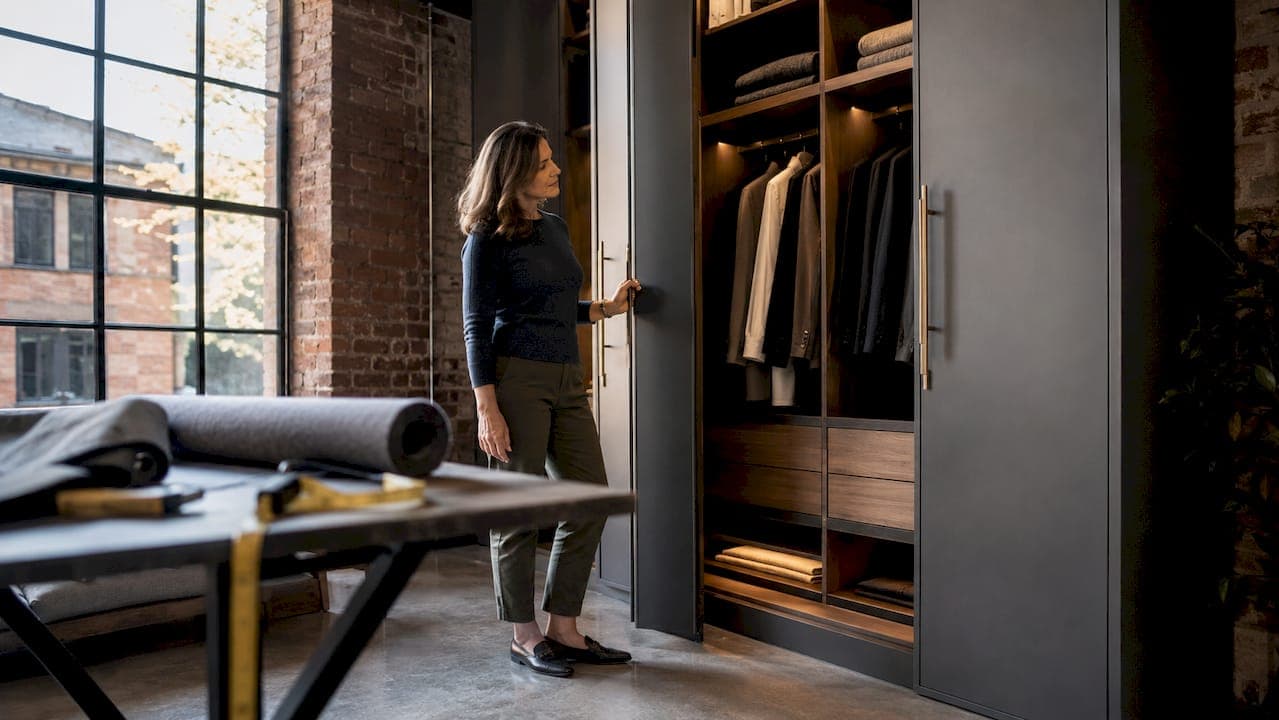
- Fitted furniture is a permanent built-in solution that increases property value through better space utilization. It offers longer lifespan and enhances aesthetic integration, attracting buyers and supporting higher appraisals. Properly chosen and installed fitted units provide lasting, adaptable storage that future-proofs a home.
Fitted furniture is defined as built-in cabinetry and storage that is fixed permanently to a room's walls, floor, or ceiling, making it a structural part of the property rather than a moveable possession. The home value benefits of fitted furniture are well established: bespoke built-ins increase usable storage, improve design cohesion, and are legally classified as fixtures that contribute directly to property appraisal. For homeowners and property investors alike, that combination of spatial efficiency, durability, and appraisal value makes fitted furniture one of the most financially sound interior investments available. This article covers every key advantage, from cost comparisons to design choices, so you can invest with confidence.
1. How fitted furniture increases home value through space optimisation
Fitted furniture increases home value by making every square metre of a property work harder. Custom built-in millwork increases storage capacity by up to 35–40% over freestanding furniture in the same space. That gain comes from using full wall height, filling alcoves, and wrapping around architectural features that freestanding pieces simply cannot reach.
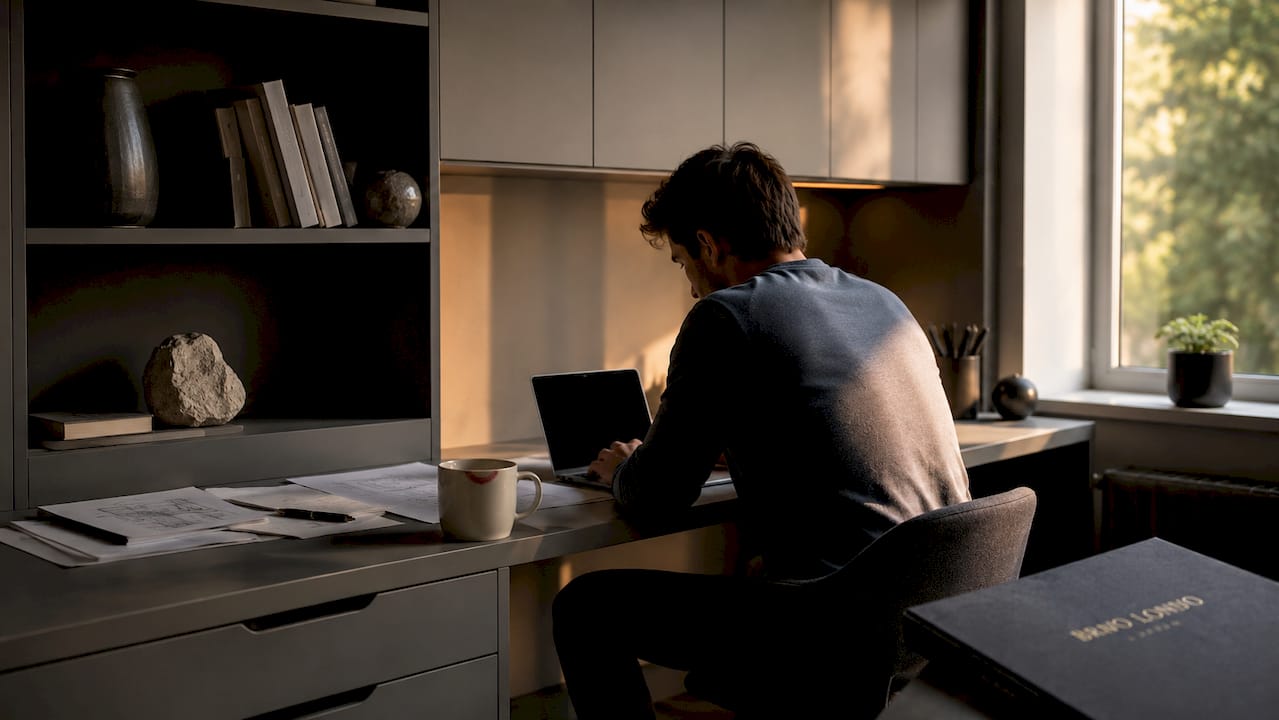
Freestanding and flat-pack furniture leaves dead space above, below, and beside each unit. Those gaps accumulate quickly in smaller rooms, reducing both usable floor area and the sense of order a buyer notices on a viewing. Fitted units eliminate those gaps entirely, making a room feel intentional and balanced rather than assembled from whatever was available.
Built-in storage is particularly effective in awkward spaces: alcoves beside chimney breasts, under sloped ceilings in loft conversions, and the dead zone beneath a staircase. Freestanding furniture cannot address these areas. Fitted solutions turn them into genuine, usable storage.
- Floor-to-ceiling wardrobes in a bedroom double hanging and shelving capacity without increasing the room's footprint.
- Under-stairs fitted cupboards convert wasted triangular space into a utility area, home office nook, or deep storage zone.
- Alcove shelving and cabinetry in a living room replace cluttered bookcases with a clean, architectural feature wall.
- Built-in media walls conceal cables, equipment, and storage behind a single, unified façade.
Pro Tip: When planning a small bedroom or box room, specify floor-to-ceiling fitted wardrobes rather than standard-height units. The vertical line draws the eye upward, making the ceiling feel higher and the room feel larger.
2. Durability and long-term cost benefits of fitted furniture
Fitted furniture lasts significantly longer than its flat-pack equivalent. Bespoke fitted furniture delivers 20–25 years or more of reliable use, compared to 3–7 years for typical flat-pack alternatives. That difference in lifespan changes the financial calculation entirely.
A flat-pack wardrobe purchased for £400 and replaced every five years costs £80 per year. A fitted wardrobe installed for £3,000 and lasting 25 years costs £120 per year, but it also adds to your property's appraisal value, which a flat-pack unit never does. Professional installation and reinforced frameworks reduce wear and deformation over time, maintaining both appearance and function throughout that lifespan.
The lower replacement frequency also means fewer disruptions to your home. Flat-pack furniture requires periodic dismantling, disposal, and reinstallation. Fitted furniture simply stays in place, looking as good in year fifteen as it did on installation day.
Pro Tip: Ask your fitter about the board thickness and hinge specification before signing off on a design. Boards of 18mm or more and soft-close hinges rated for 100,000 cycles are reliable indicators of a unit built to last.
| Comparison point | Fitted furniture | Flat-pack furniture |
|---|---|---|
| Typical lifespan | 20–25+ years | 3–7 years |
| Annual cost of ownership | Lower over full lifespan | Higher due to replacement frequency |
| Property appraisal impact | Classified as a fixture; adds value | No appraisal contribution |
| Maintenance requirement | Minimal; reinforced frameworks | Higher; boards degrade and swell |
3. Aesthetic and architectural integration advantages
Fitted furniture acts as a design anchor for a room. Experts note that built-ins integrate with room architecture and eliminate visual clutter, directly enhancing perceived property quality. That perception matters enormously during a property valuation or a buyer's viewing.
The visual difference between a room with fitted storage and one with freestanding pieces is immediate. Fitted units share the same skirting profile, cornice detail, and paint finish as the surrounding walls. The result is a room that reads as designed rather than furnished. Freestanding furniture, regardless of quality, always introduces visible gaps, mismatched heights, and the sense that pieces were chosen independently rather than as part of a whole.
Homes with well-designed fitted wardrobes appear larger, more organised, and more luxurious to buyers. That perception translates directly into stronger offers and faster sales. A bedroom that presents as a calm, well-ordered space with integrated storage signals to a buyer that the property has been maintained and considered.
- Built-in media walls in living rooms replace a tangle of freestanding units with a single, coherent architectural feature.
- Fitted bedroom furniture with matching veneered finishes and integrated lighting creates a hotel-quality aesthetic at a residential price point.
- Under-stairs solutions with painted doors flush to the wall maintain the clean sightline of a hallway.
- Fitted bathroom cabinetry with concealed plumbing removes visual clutter and makes a small bathroom feel spa-like.
Fitted furniture also reduces clutter by providing designated storage for every category of possession. That reduction in visible clutter has a measurable effect on wellbeing, which in turn contributes to a home feeling genuinely desirable rather than merely adequate. Pairing well-designed fitted storage with quality soft furnishings, such as double-faced bedding, reinforces the premium feel of a bedroom without additional structural work.
4. Financial considerations: cost, fixtures, and resale value
The upfront cost of fitted furniture is higher than freestanding alternatives, and that is the right way to think about it. Professional bespoke wardrobes cost between £1,500 and £7,000, with advanced features adding approximately 70% extra cost compared to basic versions. That range reflects material quality, room size, internal fittings, and the complexity of the installation.
The critical financial distinction is legal classification. Built-in furniture is classified as a fixture, meaning it is treated as real property and included in a formal property appraisal. Freestanding furniture carries no such classification. When a surveyor values your home, your fitted wardrobes count; your freestanding chest of drawers does not.
Potential buyers value homes with built-in storage that feels move-in ready and functional. A property that offers integrated storage from day one removes a significant cost and effort from the buyer's to-do list. That convenience commands a premium, particularly in competitive urban markets where buyers are comparing multiple properties quickly.
For property investors, the calculation is straightforward. Fitted furniture increases rental appeal, reduces void periods, and supports higher asking rents. For long-term homeowners, the investment pays back through daily quality of life and a stronger position at the point of sale. The cost of fitted wardrobes relative to the value they add makes them one of the most defensible interior investments in residential property.
5. Practical tips for choosing fitted furniture that maximises home value
Selecting the right fitted furniture requires balancing personal taste with broad market appeal. The goal is a design that works for you now and attracts buyers later.
- Choose neutral finishes. Matt white, warm grey, and natural oak veneers appeal to the widest range of buyers. Highly specific colour choices or bold grain patterns can limit appeal at resale.
- Prioritise adaptable interiors. Neutral, versatile designs with adjustable shelving, hanging rails, and drawer configurations serve different owners over the furniture's lifespan. Avoid overly niche internal layouts that only suit one specific use.
- Invest in quality materials. Solid wood carcasses, moisture-resistant boards in bathrooms and kitchens, and soft-close mechanisms all signal quality to a buyer. These details are noticed during viewings even when buyers cannot articulate why a room feels premium.
- Use professional installation. A poorly fitted unit with visible gaps, misaligned doors, or uneven reveals undermines the entire investment. Professional fitting, as outlined in how the fitting process works, protects both the aesthetic result and the structural integrity of the unit.
- Address awkward spaces first. Alcoves, under-stairs areas, and loft rooms are the spaces buyers struggle most to furnish. A fitted solution in these areas delivers disproportionate value because it solves a problem the buyer would otherwise face themselves.
- Consider the full room, not just one wall. Fitted furniture that wraps around a room, incorporating a dressing table, bedside cabinets, and overhead storage, creates a more cohesive result than a single wardrobe run. That cohesion reads as quality on a viewing.
- For rental properties, keep it simple. Tenants value storage and cleanliness. A well-fitted wardrobe with a clean white finish and practical internal layout will outlast multiple tenancies without requiring updates.
Pro Tip: If you are fitting out a property before sale, focus on the master bedroom and the hallway. These are the two spaces buyers form their strongest first impressions of, and fitted storage in both signals a well-maintained, considered home.
Key takeaways
Fitted furniture increases home value by combining fixture classification, superior storage capacity, and design cohesion into a single, durable investment that freestanding furniture cannot replicate.
| Point | Details |
|---|---|
| Fixture classification adds appraisal value | Built-in furniture is legally real property, so it contributes directly to a formal property valuation. |
| Storage capacity increases by up to 35–40% | Custom built-ins use full height and awkward spaces that freestanding units cannot reach. |
| Lifespan of 20–25+ years lowers annual cost | Fitted furniture outlasts flat-pack alternatives by a significant margin, reducing replacement costs over time. |
| Neutral designs protect resale appeal | Versatile finishes and adaptable interiors attract the widest range of future buyers. |
| Buyer perception drives stronger offers | Homes with integrated storage feel move-in ready and luxurious, supporting higher valuations and faster sales. |
Why fitted furniture is the investment most homeowners underestimate
After working on over 1,000 fitted furniture projects, the pattern I see most often is this: homeowners spend months deliberating over kitchen renovations and bathroom upgrades, then treat bedroom and living room storage as an afterthought. That is a mistake.
The rooms buyers spend the most time imagining themselves in are the bedroom and the living room. A fitted wardrobe that runs floor to ceiling, with soft-close doors and a considered internal layout, changes how a buyer feels about a property in a way that a new boiler simply does not. Function matters, but so does the emotional response a room creates.
The pitfall I see most frequently is over-customisation. A client who installs a fitted home office in the second bedroom, complete with fixed desk heights and cable management for three monitors, has effectively removed that room from the "second bedroom" category in a buyer's mind. The storage is excellent. The resale flexibility is gone. Neutral, adaptable designs protect your investment across ownership changes.
The other underestimated factor is timing. Fitted furniture installed five years before a sale has time to become part of the home's identity. Installed three weeks before listing, it reads as a staging exercise. The homeowners who benefit most are those who invest early and live with the result.
— Bravo London
Bespoke fitted furniture from Bravo London
Bravo London designs and installs bespoke fitted wardrobes and storage solutions across London, with over 1,000 completed projects and a 10-year warranty on every installation. Every piece is designed to your exact room dimensions, so nothing is wasted and nothing looks like a compromise.
Whether you are preparing a property for sale, fitting out a new home, or simply want storage that works as hard as the rest of your life does, Bravo London's team will guide you from initial design through to installation. The range covers fitted wardrobes, under-stairs solutions, media walls, and bespoke joinery for every room in the house. Request a free consultation and receive a detailed quote tailored to your space and budget.
FAQ
Does fitted furniture increase house value?
Fitted furniture is legally classified as a fixture and contributes directly to a property's formal appraisal value. Buyers also perceive homes with integrated storage as more desirable and move-in ready, which supports stronger offers.
How long does fitted furniture last?
Bespoke fitted furniture typically lasts 20–25 years or more, compared to 3–7 years for flat-pack alternatives. Professional installation and reinforced frameworks maintain both appearance and function throughout that lifespan.
What is the cost of fitted wardrobes in the UK?
Professional bespoke wardrobes cost between £1,500 and £7,000, with advanced internal features adding approximately 70% to the base cost. The final price depends on room size, material specification, and fitting complexity.
Does over-customising fitted furniture reduce resale value?
Overly niche designs, such as fixed layouts for specific uses, can limit buyer appeal and reduce resale flexibility. Neutral finishes and adaptable internal configurations protect the investment across future ownership changes.
Is fitted furniture worth it for a rental property?
Fitted furniture increases rental appeal, supports higher asking rents, and reduces void periods by making a property feel move-in ready. A clean, practical wardrobe with a neutral finish will serve multiple tenancies without requiring updates.