TL;DR:
- Fitted furniture is custom-built storage that fits exactly into a room, eliminating gaps and dead space. It increases usable storage by about 35-40% and helps create a tidier, cleaner home by removing dust traps and clutter. It is most beneficial in bedrooms, living rooms, hallways, and bathrooms for effective long-term decluttering and maintenance.
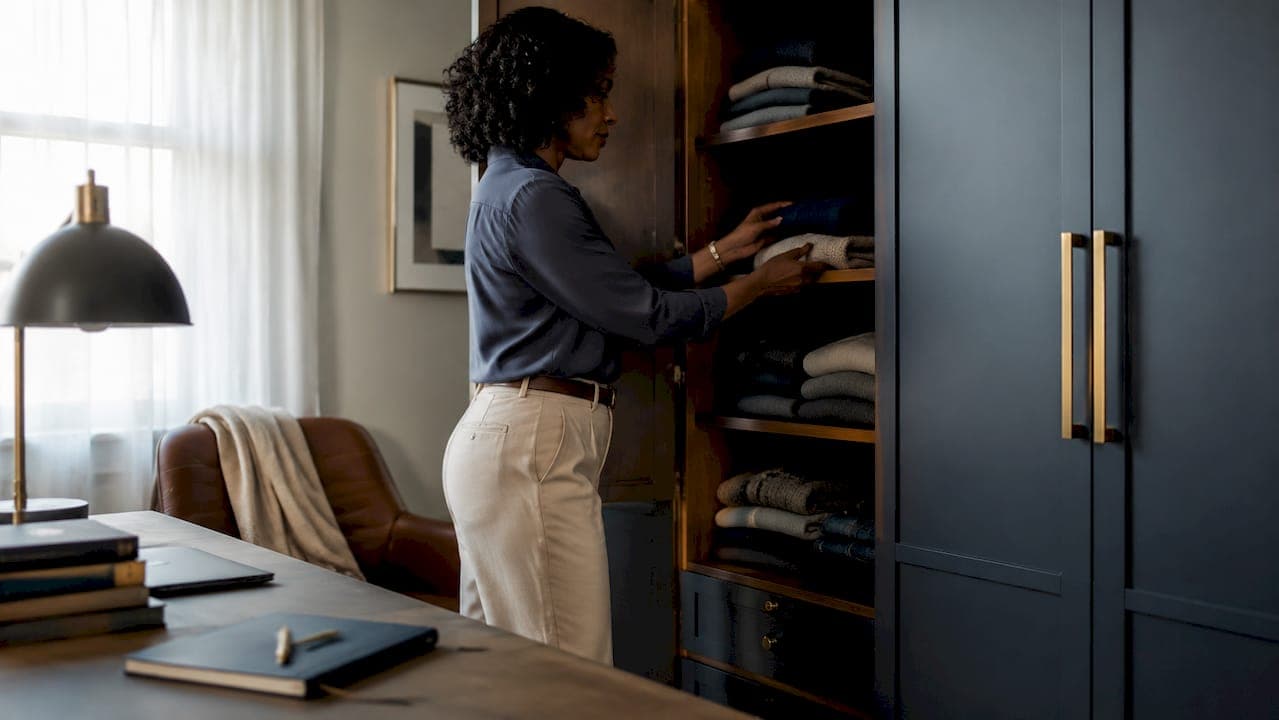
Fitted furniture is defined as custom-built storage that is constructed to the exact dimensions of a room, integrating directly with walls, floors, and ceilings. This architectural approach is the most effective method for reducing household mess because it eliminates the wasted gaps, awkward corners, and dead space that freestanding furniture leaves behind. Floor-to-ceiling fitted units increase usable storage capacity by approximately 35–40% compared to standard freestanding furniture. That gain alone explains why homeowners who invest in fitted solutions consistently report tidier, calmer living spaces. Bravo London has completed over 1,000 projects applying exactly this principle across bedrooms, living rooms, hallways, and bathrooms.
How fitted furniture reduces household mess through storage design
The term "fitted furniture" is the industry-standard phrase for what architects and interior designers call built-in millwork or integrated cabinetry. Both terms describe the same principle: storage that is part of the room rather than placed inside it. Understanding this distinction matters because it explains why fitted storage beats freestanding options on almost every practical measure.
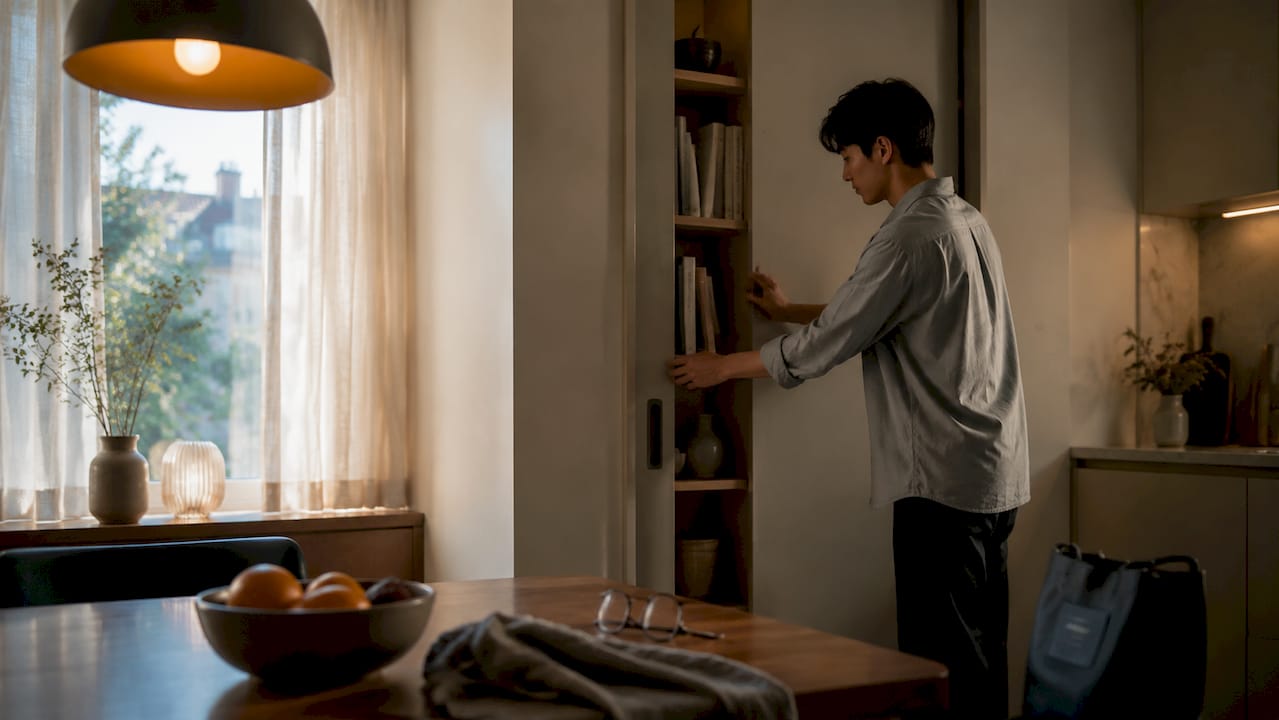
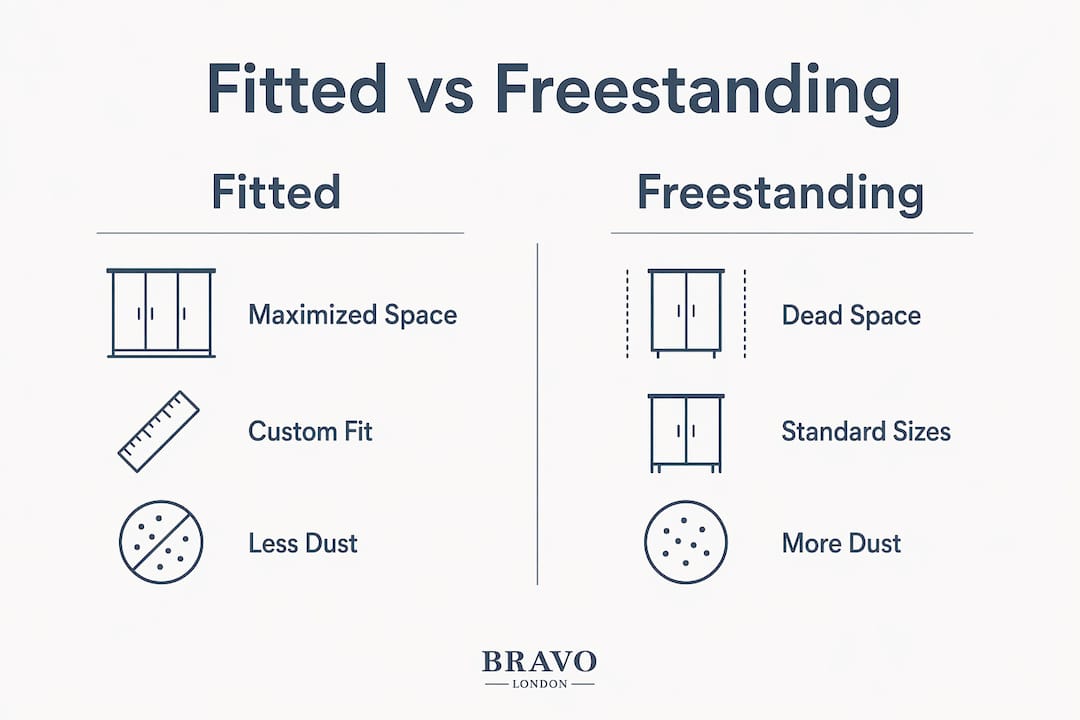
Freestanding furniture creates dead space by definition. A wardrobe pushed against a wall leaves a gap of 5–10 cm at the back and sides where dust collects and small objects disappear. The top of the unit sits below the ceiling, creating a ledge that gathers clutter. Multiply these gaps across a bedroom, hallway, and living room, and you lose a meaningful amount of usable space to areas that are difficult to clean and easy to ignore.
Fitted units address this directly. Built-ins adapt to irregular wall sizes, filling alcoves, recesses, and chimney breast surrounds that freestanding pieces simply cannot reach. A 12-foot-wide by 10-foot-tall built-in wall unit captures every centimetre of vertical and horizontal space. The result is not just more storage. It is storage that is genuinely usable and visually contained.
| Feature | Fitted furniture | Freestanding furniture |
|---|---|---|
| Vertical space used | Floor to ceiling | Typically 180–200 cm |
| Wall gaps | None | 5–10 cm at back and sides |
| Alcove coverage | Full | Partial or none |
| Dust ledges | Eliminated | Present on top surfaces |
| Storage efficiency gain | 35–40% more than freestanding | Baseline |
Pro Tip: Before commissioning fitted furniture, measure the full height from floor to ceiling at three points across the wall. Ceilings are rarely perfectly level, and a good fitter will account for this variation to achieve a truly flush finish.
Does fitted furniture really make a home easier to clean?
Architectural integration is the quality that separates fitted furniture from every other storage solution. When a unit is built into the room rather than placed in it, the base meets the floor cleanly, the sides meet the walls without gaps, and the top meets the ceiling without a ledge. Fitted wardrobes that extend floor to ceiling avoid the dust-catching ledges that accumulate on standard units, contributing directly to better room hygiene.
This matters more than most homeowners realise. The gaps behind and beneath freestanding furniture are among the most common sources of hidden household mess. Dust, pet hair, small toys, and dropped items collect in spaces that are difficult to reach with a vacuum. Over time, these areas become genuinely unhygienic and contribute to the feeling that a room never quite looks clean.
Fitted furniture solves these problems at the structural level:
- No floor gaps. The base of a fitted unit meets the floor directly, preventing debris from accumulating underneath.
- No wall gaps. Side panels are scribed to the wall, eliminating the narrow channels where dust collects.
- No top ledges. Ceiling-height units remove the horizontal surface above standard wardrobes that attracts clutter and dust.
- Smooth external surfaces. Clean lines with no protruding handles or decorative mouldings reduce the number of surfaces that need wiping.
- Contained storage. Doors and drawers keep contents hidden, so the room looks tidy even when storage is full.
Pro Tip: Wipe down the interior shelves of fitted units every three months with a slightly damp microfibre cloth. Because there are no external gaps to harbour dust, maintenance is quicker than with freestanding furniture.
Where does fitted furniture make the biggest difference room by room?
Fitted furniture delivers clutter reduction benefits in every room, but the impact varies depending on how each space is used. Understanding where mess originates in your home helps you prioritise which rooms to address first.
Bedrooms
The bedroom is the room where fitted wardrobes solutions deliver the most immediate impact. Clothing, shoes, accessories, and bedding are the primary sources of bedroom clutter. A floor-to-ceiling fitted wardrobe with purpose-designed compartments, including drawers for folded items, hanging rails at two heights, and pull-out shoe racks, gives every category of item a designated home. When everything has a place, surfaces stay clear.
Living rooms
Living rooms accumulate a different kind of clutter: books, remote controls, cables, games, and decorative items that have nowhere specific to go. Bespoke fitted living room furniture built around a chimney breast or across an entire wall provides concealed storage for all of these items. Fitted units can be designed with purpose-built compartments for cables and recesses for media equipment, handling the less attractive parts of modern living elegantly.
Hallways and bathrooms
Hallways are high-traffic areas where coats, bags, shoes, and post pile up quickly. A fitted cupboard or shelving unit built into the hallway wall contains this clutter at the point of entry. Bathrooms benefit from fitted bathroom furniture units that use the full height of the room for towels, toiletries, and cleaning products, replacing the cluttered surfaces that open shelving creates.
| Room | Common clutter problem | Fitted furniture solution |
|---|---|---|
| Bedroom | Clothes on chairs and floors | Floor-to-ceiling wardrobe with zoned compartments |
| Living room | Cables, remotes, and books on surfaces | Built-in media unit with concealed storage |
| Hallway | Coats, shoes, and bags at the door | Fitted cupboard with hooks, shelves, and drawers |
| Bathroom | Toiletries on every surface | Full-height fitted cabinet with internal organisation |
Multi-functional fitted furniture such as Murphy beds with integrated desk units or window seats with built-in drawers extends this principle to compact homes where a single room serves multiple purposes.
How does fitted storage support long-term decluttering habits?
Fitted furniture creates the conditions for sustained tidiness rather than just providing more storage. Homeowners report easier decluttering and simpler maintenance routines when storage is customised to their lifestyle. The psychological reason is straightforward: when every item has a designated place, putting things away requires no decision-making. The habit forms naturally.
The visual calm that fitted furniture creates also reinforces tidy behaviour. A room with clean lines and no visible clutter feels intentional and balanced. That feeling motivates homeowners to maintain the standard rather than let mess accumulate. Freestanding furniture, by contrast, often creates visual noise even when it is tidy, because the units themselves add bulk and irregularity to the room.
Practical decluttering habits that fitted furniture supports include:
- Category-based storage. Assign each compartment to a specific category of item so that sorting is automatic.
- Regular editing. Because fitted storage has fixed capacity, it encourages periodic reviews of what you own rather than simply buying more containers.
- Visible organisation. Open shelving sections within fitted units keep frequently used items accessible without creating surface clutter.
- Seasonal rotation. Deep drawers and high-level shelves in fitted wardrobes provide logical homes for out-of-season items, keeping everyday storage clear.
Bespoke fitted storage can also be adapted over time. Adjustable shelving, removable dividers, and modular internal fittings mean the storage evolves as your needs change, without requiring a complete replacement.
What should you consider before investing in fitted furniture?
Fitted furniture is not the right solution in every situation. Understanding the limitations helps you make a well-informed decision before committing to installation.
Rooms that change purpose frequently may benefit more from movable storage options than built-ins. If you are planning a significant reconfiguration of your home within the next few years, fitted furniture in that specific room may be premature. The same applies to renters: fitted furniture typically requires landlord permission and may not be recoverable when you move, so the investment calculus is different from that of an owner-occupier.
Key questions to ask before investing:
- Do you own or rent? Owners benefit fully from the long-term value of fitted furniture. Renters should confirm what modifications are permitted and whether the unit can be removed.
- How stable is the room's purpose? A bedroom is unlikely to change function. A spare room that doubles as an office may need more flexibility.
- What is your budget? Bespoke fitted furniture costs more upfront than freestanding alternatives. The value is in longevity, storage efficiency, and the impact on home value.
- What are the wall and ceiling conditions? Uneven walls or low ceilings require skilled fitting. A professional survey before design is non-negotiable.
- What is the installation timeline? Bespoke units are made to order. Factor in design, manufacture, and installation time when planning a room project.
When freestanding furniture is genuinely preferable, it tends to be in rooms with very short occupancy horizons, in listed buildings where structural alterations are restricted, or in situations where portability is a practical requirement.
Key takeaways
Fitted furniture reduces household mess most effectively by eliminating dead space, removing dust traps, and providing designated storage for every category of item in the home.
| Point | Details |
|---|---|
| Storage capacity gain | Floor-to-ceiling fitted units offer 35–40% more usable storage than freestanding equivalents. |
| Cleaning efficiency | Fitted units eliminate floor and wall gaps, removing the main sources of hidden dust and debris. |
| Room-by-room impact | Bedrooms, living rooms, hallways, and bathrooms each benefit from purpose-designed fitted storage. |
| Habit formation | Designated compartments reduce decision-making and make tidying a natural, low-effort routine. |
| Limitations to consider | Renters and homeowners planning room changes should weigh flexibility needs before committing. |
Why I think most people underestimate what fitted furniture actually does
After working on over 1,000 fitted furniture projects at Bravo London, the pattern I see most consistently is this: homeowners come to us thinking they have a storage problem. What they actually have is a design problem. The room was never set up to contain the life being lived in it.
Freestanding furniture is designed to fit a catalogue, not a home. It comes in standard widths and heights that leave gaps, create ledges, and ignore the specific dimensions of your walls. Those gaps are not just wasted space. They are the places where mess hides and cleaning becomes a chore rather than a quick task.
What fitted furniture does, at its best, is make tidiness the path of least resistance. When the wardrobe reaches the ceiling, there is nowhere for clutter to accumulate on top. When the shelving fills the alcove exactly, there is no awkward corner to ignore. The room feels finished because it is finished.
The homeowners I speak with who are most satisfied with their fitted furniture are not the ones who bought the most storage. They are the ones who thought carefully about how they actually use each room and then designed storage around that reality. That is the conversation worth having before any measurements are taken.
— Bravo
Bespoke fitted furniture from Bravo London
Bravo London designs and builds bespoke fitted furniture for bedrooms, living rooms, hallways, and bathrooms across London and the surrounding areas. Every project begins with a detailed consultation to understand how you use your space, followed by a custom design that fits your room's exact dimensions and your storage requirements.
With over 1,000 completed projects, a 10-year warranty, and a team that handles everything from design through to installation, Bravo London takes the complexity out of creating an organised home. Whether you need a walk-in wardrobe that uses every centimetre of a spare room or a fitted living room unit that finally tames your cable and media clutter, the team is ready to help. Contact Bravo London to arrange your free design consultation.
FAQ
How much more storage does fitted furniture provide?
Floor-to-ceiling fitted units increase usable storage capacity by approximately 35–40% compared to standard freestanding furniture. The gain comes from using full wall height and eliminating the gaps that freestanding pieces leave at the sides, back, and top.
Does fitted furniture reduce dust in a room?
Fitted furniture eliminates the 5–10 cm gaps between walls and freestanding units where dust and debris collect. Ceiling-height fitted wardrobes also remove the dust-catching ledges on top of standard units, making rooms noticeably easier to keep clean.
Can renters install fitted furniture?
Renters can install fitted furniture with landlord permission, but the investment requires careful consideration. Because fitted units are built into the room, removal on moving out may not be straightforward, so confirming the terms of your tenancy agreement before proceeding is advisable.
What rooms benefit most from fitted storage?
Bedrooms, living rooms, hallways, and bathrooms all benefit from fitted storage, each for different reasons. Bedrooms gain from zoned wardrobe compartments, living rooms from concealed media and book storage, hallways from entry-point organisation, and bathrooms from full-height cabinet solutions that clear surfaces.
How does fitted furniture support decluttering long term?
Customised storage compartments give every item a designated place, which removes the daily decision-making that leads to clutter building up. Homeowners consistently report that having purpose-built storage makes maintaining a tidy home significantly easier over time.